
 Kurt Paro
 Why People Compare White Sapphire and Man Made Diamonds
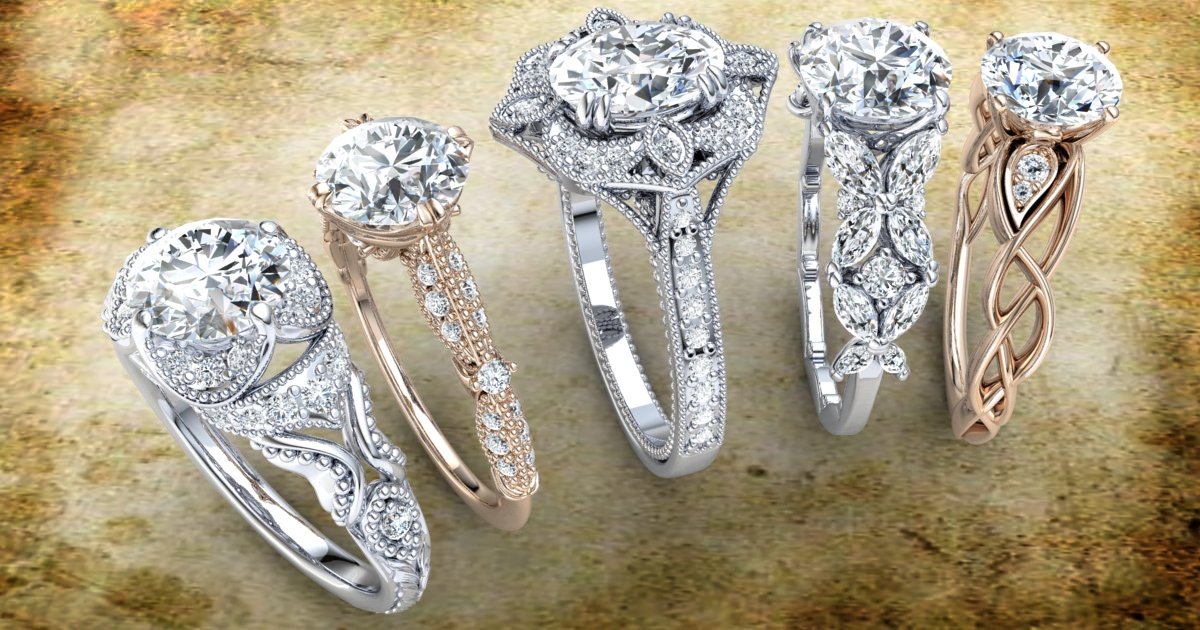
When you shop for a clear gemstone the goal is usually simple. You want brightness durability and a clean look without overspending. Many buyers compare white sapphire with man made diamonds because both offer a colorless appearance and work well in rings earrings and necklaces. The comparison matters because the two stones solve different problems. White sapphire gives you a lower entry price and a natural gemstone feel. Man made diamonds give you the appearance and physical performance of a mined diamond without the same cost level. The choice becomes less about trends and more about daily use. You need to know how each stone handles scratches light cleaning and long-term wear. That is where most buyers struggle. Photos online often make every stone look identical. Real differences only become clear after months or years of use.
What Makes Man Made Diamonds Different
Man made diamonds are real diamonds created in controlled laboratory environments. They have the same carbon structure as mined diamonds. Their hardness clarity and light performance are almost identical to natural diamonds. Most buyers choose them for one reason. They want diamond performance without paying mining-level prices. This changes what you can afford. A buyer with a fixed budget can often purchase:
- A larger center stone
- A better clarity grade
- A higher cut quality
- A stronger certification level
That flexibility matters more than marketing language. A well-cut diamond reflects light efficiently and maintains its appearance over time. Poorly cut stones look dull regardless of size. Example: A one-carat mined diamond with average clarity may cost the same as a larger laboratory-grown diamond with stronger visual quality. For many buyers the practical value is obvious.
How White Sapphire Performs in Daily Wear
White sapphire is durable but it behaves differently from diamond. On the Mohs hardness scale sapphire ranks at 9 while diamond ranks at 10. That sounds close but long-term wear reveals differences. White sapphire develops surface softness faster. Over time it may appear cloudy because the stone collects tiny abrasions. Diamonds resist this better. That difference becomes important in engagement rings because rings experience constant contact with hard surfaces. Keys countertops gym equipment and door handles all affect jewelry over time. White sapphire also reflects light differently. It produces a softer glow while diamonds create stronger brilliance and sharper flashes of light. Some buyers prefer the quieter appearance of sapphire. Others want maximum sparkle. Neither preference is wrong. The important thing is understanding what you are buying before spending money.
The Real Cost Difference
Price comparisons only help when you understand what affects quality. With diamonds the main pricing factors include:
- Cut
- Color
- Clarity
- Carat weight
Cut quality often matters most because it controls how light moves through the stone. A smaller well-cut diamond usually looks better than a larger poorly cut one. Man made diamonds reduce the cost barrier attached to these quality grades. That allows buyers to prioritize visual performance instead of settling for weaker specifications. White sapphire costs less overall but the visual trade-off is visible in many lighting conditions. Under bright daylight the difference may seem small. Under indoor lighting diamonds usually maintain more brilliance and contrast. This matters if you plan to wear the jewelry every day rather than occasionally.
How to Judge Quality Before Buying
Do not rely only on online images. Product photography often exaggerates brightness and clarity. Focus on measurable details. For diamonds review the grading report carefully. Trusted certification laboratories provide objective grading for color clarity and cut quality. You should also ask for videos under natural lighting. Pay attention to:
- Light return
- Dark areas inside the stone
- Visible inclusions
- Sharpness of reflections
For white sapphire inspect transparency carefully. Some stones appear milky or hazy even when new. A clean appearance matters more than size alone. Example: A smaller transparent sapphire can look more refined than a larger cloudy one.
Best Uses for Each Stone
Different jewelry types place different stress levels on gemstones. Rings experience the most impact and friction. Earrings and pendants face less damage. That changes which stone makes practical sense.
Best situations for white sapphire
- Occasional wear jewelry
- Lower-budget fashion pieces
- Vintage-inspired designs
- Buyers who prefer softer brilliance
Best situations for man made diamonds
- Daily engagement rings
- Long-term wear
- High-brilliance designs
- Buyers prioritizing durability
The intended use should guide your decision more than trends.
Maintenance and Cleaning
Every gemstone loses visual quality without cleaning. Oils soap dust and skin contact affect light reflection. Diamonds hide wear better because of their hardness and optical properties. White sapphire requires more frequent maintenance to maintain brightness. Cleaning is simple. Use warm water mild soap and a soft toothbrush. Dry the jewelry with a lint-free cloth. Avoid harsh chemicals and abrasive cleaning materials. Professional inspection once a year helps protect settings and prongs especially for rings worn daily.
Resale and Long-Term Value
Most people assume all gemstones hold resale value well. That assumption causes disappointment. Jewelry resale prices are usually lower than retail regardless of stone type. Natural diamonds traditionally retained stronger resale recognition because of established market demand. Laboratory-created diamonds continue evolving in resale markets as supply increases. White sapphire typically has lower resale demand compared with diamond jewelry. For most buyers the better question is not resale value. It is ownership value. Ask yourself: Will you wear the piece often? Will the appearance still satisfy you after several years? Will the stone handle daily use? These questions matter more than theoretical resale percentages.
What Buyers Often Regret
The most common regret is choosing based only on upfront price. Some buyers purchase white sapphire expecting diamond-level brilliance. Others overspend on diamond size while ignoring cut quality. Both mistakes lead to disappointment. A realistic approach works better. If sparkle durability and long-term appearance matter most man made diamonds usually provide the stronger balance. If budget control matters more and softer brilliance appeals to you white sapphire can still work well. The correct choice depends on how you plan to wear the jewelry.
Questions Buyers Often Ask
Do man made diamonds test as real diamonds?
Yes. Standard diamond testers usually identify them as real diamonds because they share the same physical structure as mined diamonds.
Does white sapphire get cloudy over time?
It can develop surface wear that reduces brightness. Regular cleaning and polishing help maintain appearance.
Which stone is better for an engagement ring?
For daily wear many buyers prefer man made diamonds because they resist scratching better and maintain stronger brilliance over time.