
 Dorothy Lower
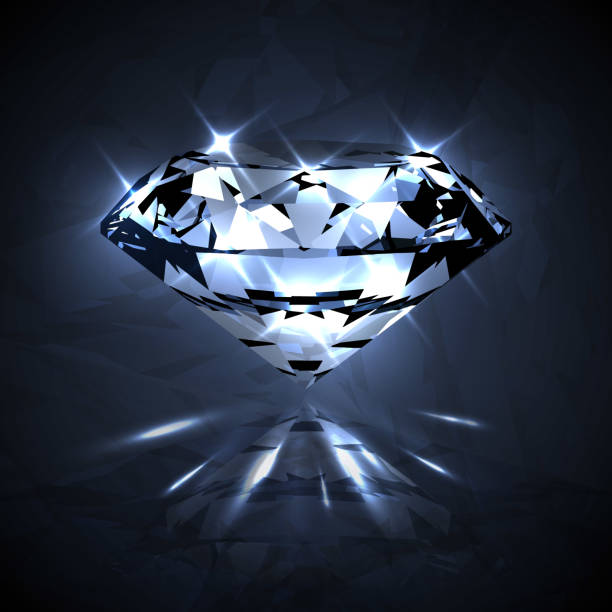
 Deep underground, nature takes forever to make diamonds. These stones come from labs instead, built fast by people. Identical on the atomic level, just made quicker. Not shaped by time and pressure below ground. Weeks pass before they appear above it. A lab grown diamonds cvd can shine just like one pulled from the ground. What matters most is how well it sparkles, not where it started. Pick based on clarity, cut, color – skip the backstory.
Understanding CVD Technology Basics
Lab grown diamonds labeled CVD stand for Chemical Vapor Deposition. One primary way scientists make synthetic diamonds involves this technique. A small piece of diamond, known as a seed, begins the sequence. Inside a sealed space, that starter gets exposed to gas heavy in carbon. Heat splits the gases apart. On the seed, carbon atoms land – layer by layer they build up. Weeks pass. A complete diamond crystal emerges. Purity and structure get shaped more precisely this way. One tiny seed turns into a gem fast – no eons needed.
People Pick Lab Grown Diamonds
It’s more than a rock you take home. Value shows up, decisions stay yours, clarity never hides. People pick these for clear-cut reasons that make sense every day
- Lower cost for the same size and quality
- Clear origin and production process
- Fewer impurities in many cases
- Finding extra options fits right into what you can spend
Larger diamonds sometimes fit your spending plan just fine. Still, size isn’t everything when picking one out.
Real Diamonds
Sure. These diamonds exist. Identical in strength, sparkle, and makeup to earth-mined ones. Only specialists using precise instruments can spot the difference. When doubts arise over legitimacy, check the paperwork instead. Take this one step further – a lab stone with official approval comes with analysis records matching those of traditional gems.
What to Look for in Quality
Fresh from the start, think of lab diamonds just like mined ones when checking quality. These four things matter most:
- Cut which affects how the diamond reflects light
- Some shades appear clear, others hold a hint of yellow. From transparent tones through soft golden hints lies the spectrum seen here
- Clarity which shows internal flaws or inclusions
- Carat which measures size
Better not to ignore the paperwork. A reliable evaluation can make all the difference.
Price Differences Explained
One reason lab stones come with smaller price tags? Mined ones rely on limited availability while manufactured gems pop up quicker. Not a sign of being pretend – just how markets adjust when output isn’t held back. Lower cost doesn’t point to flaws or weakness either. What matters more is how light plays through them, not where they started. Still hold their shine without needing deep earth journeys. Better worth shows up more than people think. Say you could pick a one carat stone, cleaner inside, at the same cost as a tiny natural rock.
Advantages and Drawbacks Worth Noticing
Picking one thing means giving up another. Before spending, see what each option truly brings – also what slips away.
Advantages
- Better price for similar quality
- More consistent supply
- Modern production process
Limitations
- Typically, resale price ends up less
- Market prices may change over time
- Less emotional value for some buyers
What grabs your attention first – cost now or value later? One shapes choices right away, the other shows up years down the road.
Buy Smart With These Tips
Begin by setting how much you can spend. The shape matters less than how it’s cut – choose sharpness over size. A stone that sparkles bright beats a bigger dull one every time. Always see the grading report early in the search. If shopping remotely, request real photos plus moving clips to judge clarity. Clear thinking at the start shapes smarter choices later. When faced with choices, look at each carefully. Say both diamonds cost identical amounts – go for the sharper cut, even when it means less weight. A smaller stone that sparkles more often beats a bigger dull one. Weight matters, sure, but light performance can shift the balance. Sometimes quality hides in how light dances, not just size on paper.
Common mistakes to avoid
Folks spending cash often trip up on small errors – each one bleeding dollars. Mistakes add up fast when attention slips during purchases.
- Ignoring certification
- Focusing solely on dimensions
- Not comparing multiple sellers
- Assuming all diamonds are the same
Sometimes it’s better to wait. When you move slow, cash stays put, feelings stay calm.
Future of Lab Diamonds
A rise in interest shows people are choosing lab made stones more often. As methods advance, making them takes less time plus uses fewer resources. With more entering the market, costs could shift further over time. This isn’t just a passing moment – it’s part of a longer change. Now things work differently when it comes to making and selling diamonds. Should you care about getting solid quality at fair worth, this route fits.
FAQ
Do lab grown diamonds last as long as natural diamonds
Fine. Same strength, same toughness – both hold up forever if looked after right. Length stays unchanged.
What sets them apart if you’re not using any gadgets
Not really. To most people, they appear exactly the same. It takes special tools to spot any variation.
Are lab grown diamonds a good investment
These work best when you keep them yourself instead of selling later. Pick them because they look good and feel worth it, not for what might happen down the line.