
 Kurt Paro
An engagement ring represents a promise, but its design can also reflect the personality of the person wearing it. Some people prefer a classic solitaire, while others love intricate details, unusual gemstones, or modern settings. Choosing a ring that feels personal often requires more thought than selecting a beautiful diamond from a display case.
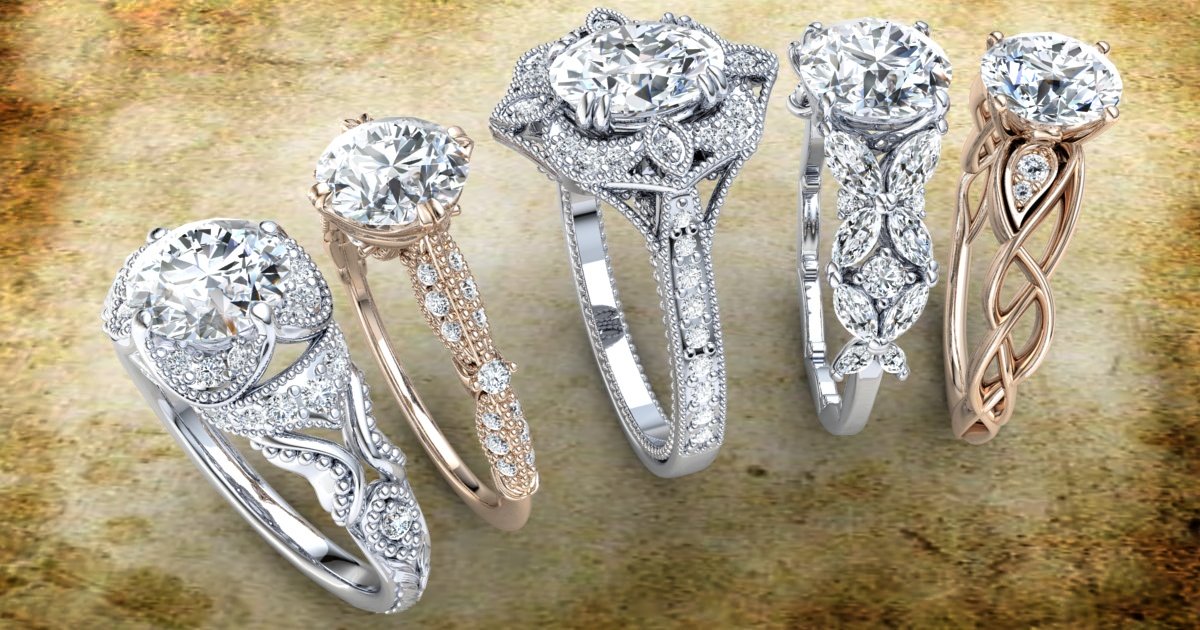
Custom made engagement rings offer an opportunity to bring individual preferences together in one carefully designed piece. Buyers can select the center stone, metal, setting, band shape, and smaller decorative details. The result is jewelry that carries personal meaning rather than simply following current trends.
Why Personalized Ring Designs Appeal to Modern Couples
Traditional engagement rings remain popular, but personal preferences increasingly influence jewelry purchases. Couples may want a design that reflects a shared memory, a particular style, or a meaningful family connection.
A personalized ring also provides greater control over its appearance. Someone who prefers understated jewelry can choose a slim gold band and a modest center stone. Another person might prefer a larger oval diamond with a halo setting and delicate pavé accents.
This flexibility makes the design process particularly appealing to buyers who struggle to find the right combination in ready-made collections.
Choosing the Right Diamond for Your Design
The center stone usually attracts the most attention. Its shape, proportions, and brilliance influence the entire appearance of an engagement ring.
Before selecting a diamond, consider the four Cs: cut, color, clarity, and carat weight.
Cut and Shape
Cut quality affects how effectively a diamond reflects light. A well-cut stone can produce impressive brightness and sparkle without requiring an unusually large carat weight.
Popular diamond shapes include:
- Round brilliant: A classic choice known for its strong sparkle.
- Oval: Creates an elongated appearance that can make fingers look longer.
- Emerald: Features step-cut facets and a clean, architectural appearance.
- Pear: Combines a rounded end with a pointed tip for a distinctive silhouette.
- Princess: Offers a square shape with a contemporary feel.
The shape should complement the wearer’s preferences and the proportions of the setting.
Color and Clarity
Diamond color grades generally range from D to Z, with D representing the colorless end of the scale. Near-colorless stones can also look beautiful, particularly when paired with yellow or rose gold.
Clarity describes internal characteristics called inclusions and external features called blemishes. Higher clarity grades do not automatically mean a diamond will look more attractive. Some lower-graded stones appear clean to the naked eye.
A balanced selection often provides better value than paying extra for specifications that make little visible difference.
Lab-Grown Options and Their Place in Modern Jewelry
Many buyers now consider lab grown diamonds alongside traditionally mined stones. These diamonds are created through controlled technological processes, including high-pressure, high-temperature growth and chemical vapor deposition.
According to the Gemological Institute of America, laboratory-grown diamonds have essentially the same chemical composition, crystal structure, and optical properties as natural diamonds. They are genuine diamonds, not imitations such as cubic zirconia or moissanite.
Their origin, however, is different. Buyers should understand this distinction before making a purchase.
A grading document can help verify a stone’s characteristics and origin. Ask which gemological laboratory assessed the diamond and check that its report number matches the documentation.
Selecting a Setting That Matches Your Lifestyle
A setting influences both appearance and everyday practicality. It holds the center stone securely while determining how much light reaches the diamond.
Solitaire Settings
A solitaire features one center stone without additional side diamonds. Its simple structure keeps attention on the diamond and suits people who appreciate timeless jewelry.
Halo Settings
A halo surrounds the center stone with smaller diamonds. This creates additional sparkle and can make the main stone appear larger.
Three-Stone Settings
Three-stone rings feature a central diamond accompanied by two smaller stones. Some couples associate the design with a relationship’s past, present, and future.
Bezel Settings
A bezel uses a metal rim around the diamond rather than traditional prongs. It offers a sleek appearance and provides additional protection around the stone’s edges.
People with active lifestyles may appreciate this design because it reduces exposed edges that can catch on clothing.
Choosing the Right Precious Metal
The metal affects the ring’s color, durability, maintenance, and overall style.
Platinum is naturally white and durable. It develops a soft patina with wear, which some owners appreciate. Its density also makes it a substantial choice for everyday jewelry.
Yellow gold offers a traditional appearance and pairs beautifully with many diamond shapes. Common choices include 14-karat and 18-karat gold, which contain different proportions of pure gold and alloy metals.
White gold provides a bright, silvery appearance. Many white gold rings receive rhodium plating, which may need periodic renewal as the finish wears.
Rose gold has a warm pink tone created by its copper content. It offers a distinctive alternative to traditional gold colors.
Consider skin sensitivity, maintenance preferences, and the intended setting before choosing a metal.
The Design Process Behind a Bespoke Engagement Ring
Creating a ring from an initial idea involves several stages. A professional jeweler can help turn preferences, sketches, and reference photographs into a practical design.
1. Establish a Clear Budget
Decide how much you are comfortable spending before selecting stones or discussing elaborate settings. Include the center diamond, metal, craftsmanship, resizing, and any additional services.
A defined budget helps the jeweler recommend realistic options without compromising essential design features.
2. Share Your Design Preferences
Bring photographs, sketches, or examples of jewelry styles you like. Explain preferred diamond shapes, band widths, metal colors, and setting details.
You do not need a finished design. A few clear preferences give the jeweler a useful starting point.
3. Review the Proposed Design
Many jewelers provide a digital rendering or physical model before production. Review the proportions carefully, especially the height of the center stone and the thickness of the band.
This stage offers an opportunity to request adjustments before the ring enters production.
4. Check the Finished Piece
Before accepting the ring, inspect its finish, stone alignment, prongs, and overall construction. Ask for written details about the diamond, metal purity, warranty, and resizing policy.
These details provide useful documentation if future repairs or maintenance become necessary.
Details That Make a Ring More Personal
Small design decisions can give an engagement ring a distinctive character without making it overly complicated.
An engraved date, initials, or a short message can add sentimental value. Hidden gemstones placed beneath the center setting offer another personal detail that remains discreet.
Some couples incorporate a family diamond or reuse gold from an inherited piece. This approach can connect a new engagement ring with an important family memory.
For buyers considering custom made engagement rings, these thoughtful additions can make the finished piece feel closely connected to their relationship.
Caring for an Engagement Ring
Daily wear exposes jewelry to lotions, soap, dust, and accidental impacts. Regular cleaning helps maintain its appearance and makes it easier to notice potential problems.
Use warm water, mild dish soap, and a soft brush for routine cleaning, provided the jeweler confirms the method is suitable for the ring’s materials. Avoid harsh chemicals and abrasive cleaners.
Remove the ring before heavy lifting, gardening, swimming, or activities that could damage the setting. Have a professional jeweler inspect the prongs and stone security periodically.
Store the ring separately from other jewelry to reduce scratches and unnecessary contact.
Making a Thoughtful Final Choice
A meaningful engagement ring should suit the wearer’s style, daily routine, and personal preferences. Diamond quality matters, but so do comfort, craftsmanship, metal selection, and long-term maintenance.
Take time to compare stones, review design proposals, and understand the documentation provided by the jeweler. Lab grown diamonds can also be a suitable choice for buyers who prefer a different diamond origin while retaining the essential properties of a genuine diamond.
The strongest design is not necessarily the largest or most elaborate. It is the one that feels right to wear, holds its quality through regular use, and carries a story worth keeping.